

Cross-Connection Protection That Passes Inspection
Backflow preventor testing repairs and replacement in Rochester for properties with irrigation systems, commercial plumbing, or fire suppression that require annual certification
When water pressure drops suddenly in municipal supply lines, contaminated water from irrigation systems, boilers, or chemical injection equipment can reverse direction and enter the potable water system without a functioning backflow prevention device. Rochester requires annual testing of these assemblies to verify that check valves and relief openings operate correctly under pressure changes. Ryan Plumbing and Heating provides certified backflow testing, repairs failed components, and replaces assemblies that can no longer maintain proper isolation between contaminated sources and drinking water supply.
Testing involves closing valves in sequence to simulate backpressure and backsiphonage conditions while measuring differential pressure across check valves. Devices that fail testing require immediate repair or replacement before they can be returned to service, and test results must be filed with the water authority to maintain compliance. Commercial properties, irrigation systems, fire sprinkler connections, and any installation with chemical feeders typically require testable backflow prevention.
Schedule annual testing before your compliance deadline to avoid service interruption notices from the municipal water department.
What Backflow Prevention Testing Confirms
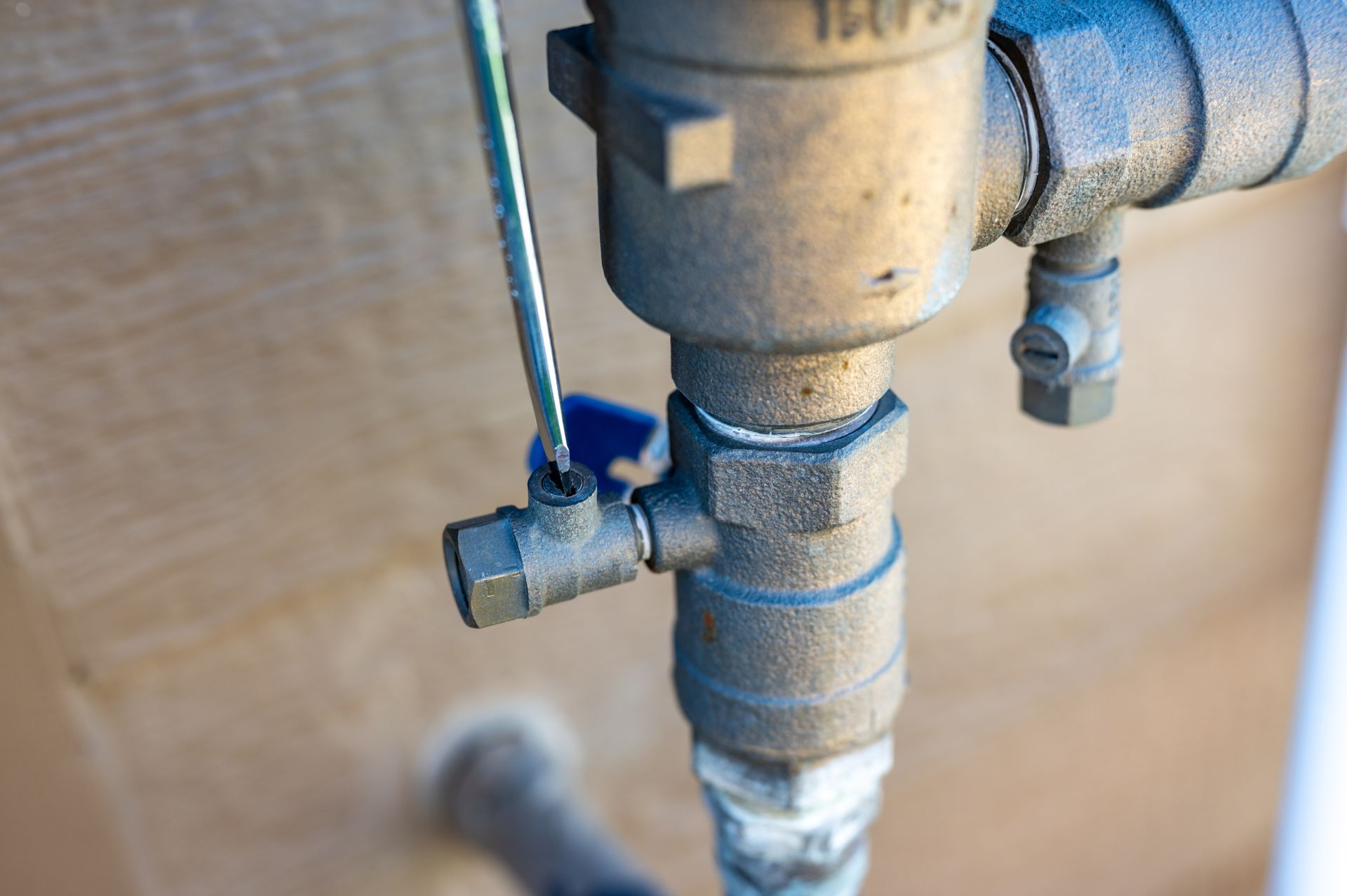
Certified testers use calibrated gauge assemblies to measure pressure at test ports while manipulating shutoff and test cocks in a specific sequence. This process verifies that both check valves close completely under reverse flow conditions and that the relief valve opens at the correct differential pressure. Assemblies installed on irrigation systems must withstand fertilizer and chemical exposure that degrades seals faster than indoor installations experience.
After testing confirms proper function, you receive certification documentation that satisfies municipal requirements and demonstrates that your property's water supply remains isolated from contamination sources. Failed devices get repaired by replacing worn check valve discs, springs, or rubber seals, or by installing a new assembly if the body shows corrosion or damage that prevents reliable operation. You'll also know that sudden pressure drops won't pull irrigation water containing pesticides or lawn chemicals back into pipes supplying your kitchen and bathrooms.
Installation location affects device longevity and testing accessibility. Assemblies must be installed above ground or in heated vaults in Rochester to prevent freezing damage to test cocks and relief valves during winter. Proper clearance around the device allows testers to attach gauges and operate valves without obstruction, which reduces testing time and prevents damage to components during annual inspections..
Answers to Frequent Service Questions
Property managers and homeowners with irrigation systems often ask about testing frequency, repair costs, and why backflow prevention matters for water safety.
Why does backflow prevention require annual testing?
Check valves and relief components wear from pressure cycling and sediment passage, eventually failing to close completely or open at the correct pressure. Annual testing catches deterioration before devices stop protecting water quality. Rochester enforces this requirement through water service interruption for properties that don't submit passing test results on schedule.
What causes backflow preventors to fail testing?
Debris caught between check valve discs and seats prevents complete closure, worn springs reduce closing force below specifications, and corroded relief valves stick instead of opening at the designed pressure differential. Irrigation installations accumulate dirt and mineral deposits faster than indoor devices. Freezing damage from improperly winterized assemblies also causes seal failures and cracked bodies.
How much does repair cost compared to replacement?
Simple repairs like replacing rubber parts or cleaning check valves cost significantly less than new assemblies, but bodies damaged by corrosion or freezing require complete replacement. Technicians assess whether repair will provide reliable service for another year or if repeated failures make replacement more economical. High-quality assemblies typically last ten to fifteen years with proper maintenance.
Can I test my own backflow preventor?
Testing requires certified testers who've completed state-approved training and use calibrated gauge sets that meet accuracy standards. Self-testing doesn't satisfy municipal reporting requirements even if you own proper equipment. Incorrect testing procedures can also damage assemblies or produce false passing results that leave water supplies unprotected.
Where should backflow preventors be installed?
Devices must be located between the potential contamination source and the connection to potable water, positioned above the highest downstream outlet to prevent backpressure conditions. Rochester's climate requires indoor installation or heated enclosures to protect assemblies from freezing. Test port access and relief valve drainage also factor into proper placement.
Ryan Plumbing and Heating maintains testing certification and submits results directly to municipal water authorities after completing inspections. Contact us to schedule your annual test or to evaluate whether failed assemblies should be repaired or replaced based on age and condition.