

Heating Systems Built for Rochester Winters
Forced air furnaces and heat pumps in Rochester for properties requiring reliable heating through extended cold weather periods
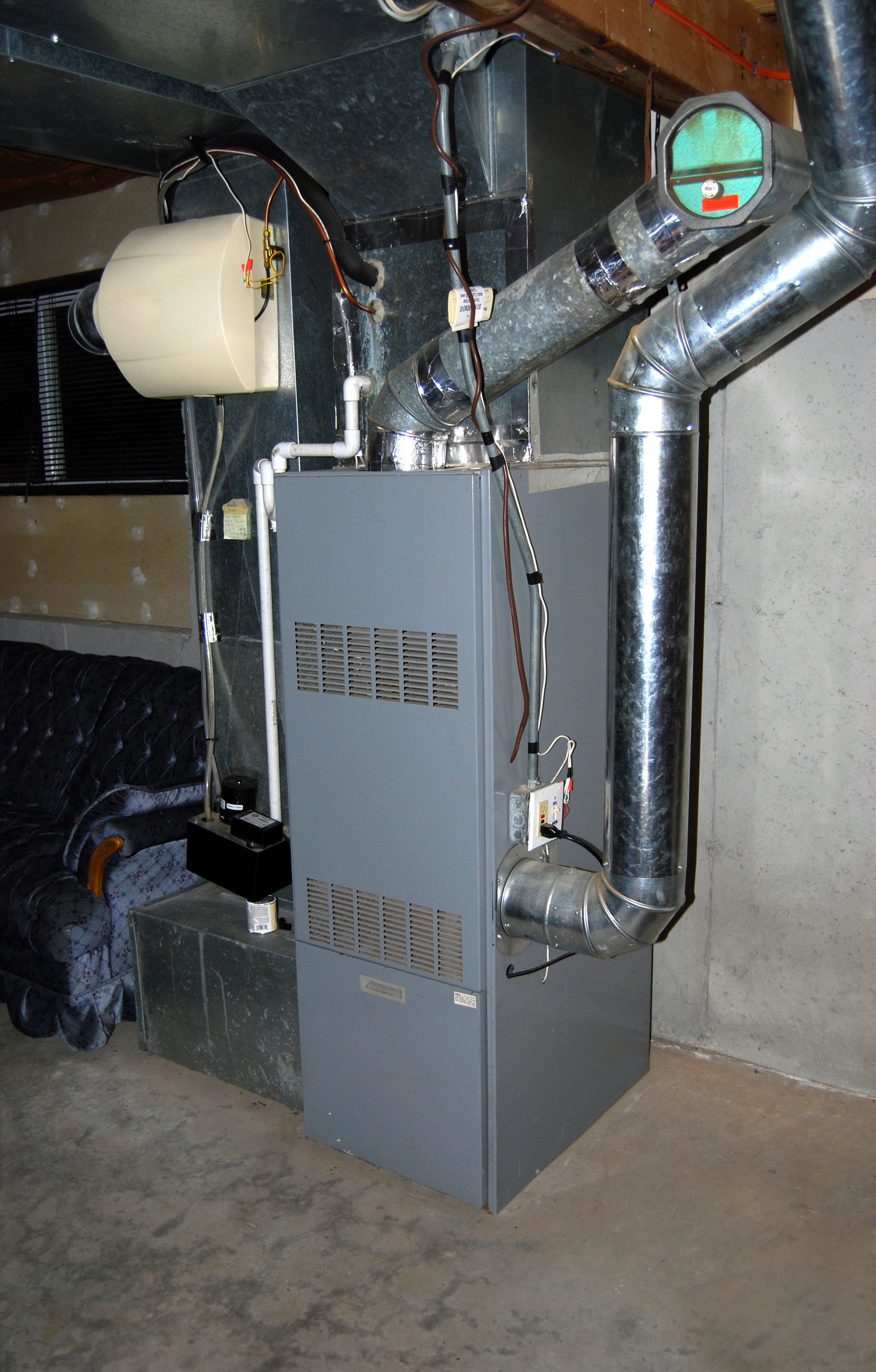
Rochester's winter temperatures and prolonged heating season demand systems that maintain consistent indoor temperatures without excessive operating costs or frequent breakdowns. Forced air furnaces and heat pumps from Ryan Plumbing and Heating deliver the heating capacity needed for homes and buildings where inadequate heat, uneven temperatures between rooms, or aging equipment causes comfort problems and rising energy bills. Proper installation, regular maintenance, and timely repairs keep these systems operating efficiently through the coldest months when heating failures create urgent problems.
Furnace and heat pump service includes installation of new systems sized correctly for your building's heat load, maintenance that prevents mid-winter breakdowns, and repairs that address failures before they leave you without heat. System selection depends on fuel availability, existing ductwork condition, and whether your property benefits from heat pump efficiency during milder portions of the heating season or requires furnace capacity for sustained subzero weather.
Request a heating system evaluation to determine whether repair, maintenance, or replacement best addresses your current equipment's performance.
What Changes After Proper Heating System Work
Heating system installation involves calculating your building's heat loss, selecting equipment with appropriate capacity and efficiency ratings, and connecting ductwork that distributes conditioned air evenly throughout occupied spaces. Maintenance includes inspecting heat exchangers for cracks, testing ignition systems, measuring combustion efficiency, and replacing filters that restrict airflow when they become loaded with dust.
With a properly functioning furnace or heat pump, indoor temperatures remain stable without constant thermostat adjustments, all rooms receive adequate heat rather than some staying cold, and the system runs in normal cycles instead of continuously operating or short-cycling. Energy consumption reflects the equipment's rated efficiency rather than the increased costs that signal deteriorating performance or improperly sized equipment working harder than necessary.
Heat pump systems work efficiently in Rochester during fall and spring but may require supplemental heat sources during the coldest winter weeks when outdoor temperatures drop below the range where heat pumps maintain full capacity. Dual-fuel systems combine heat pumps for moderate weather with furnace backup for extreme cold, optimizing operating costs across the entire heating season rather than relying on a single technology for all conditions.
Questions Before Starting Your Project
Heating system decisions affect comfort and operating costs for years, and understanding the differences between furnace and heat pump technologies helps property owners select equipment appropriate for Rochester's climate patterns.
What's the difference between furnaces and heat pumps for heating?
Furnaces generate heat by burning fuel or using electric resistance, while heat pumps move heat from outdoor air into the building, making them more efficient during moderate temperatures but less effective in sustained subzero cold.
How do I know when my furnace needs replacement instead of repair?
Replacement makes sense when heat exchangers develop cracks that create carbon monoxide risks, when repair costs approach half the price of new equipment, or when efficiency has degraded to where operating costs exceed the savings from delaying replacement.
Why do some rooms stay cold even when the furnace runs constantly?
Uneven heating results from undersized ductwork to certain rooms, air leaks in duct connections, closed or blocked supply registers, or return air imbalances that prevent proper circulation throughout the building.
How often should forced air systems receive maintenance?
Annual maintenance before the heating season catches worn components, verifies safe combustion, and maintains efficiency, reducing the likelihood of mid-winter failures when repair response times are longest due to high service demand.
Can heat pumps handle Rochester winters without backup heat?
Standard heat pumps lose capacity as outdoor temperatures drop and typically require supplemental heat sources below 25 to 30 degrees, though cold-climate heat pumps maintain better performance at lower temperatures than conventional models.
Ryan Plumbing and Heating installs forced air furnaces and heat pumps matched to your building's heating requirements and provides maintenance programs that keep systems operating reliably when you need them most. Call to discuss your heating concerns and schedule service appropriate for your equipment's age and condition.