

Fuel Lines Built for Safe Operation
Gas line installation and repairs in Rochester for homes and businesses adding appliances or addressing leaks and code violations
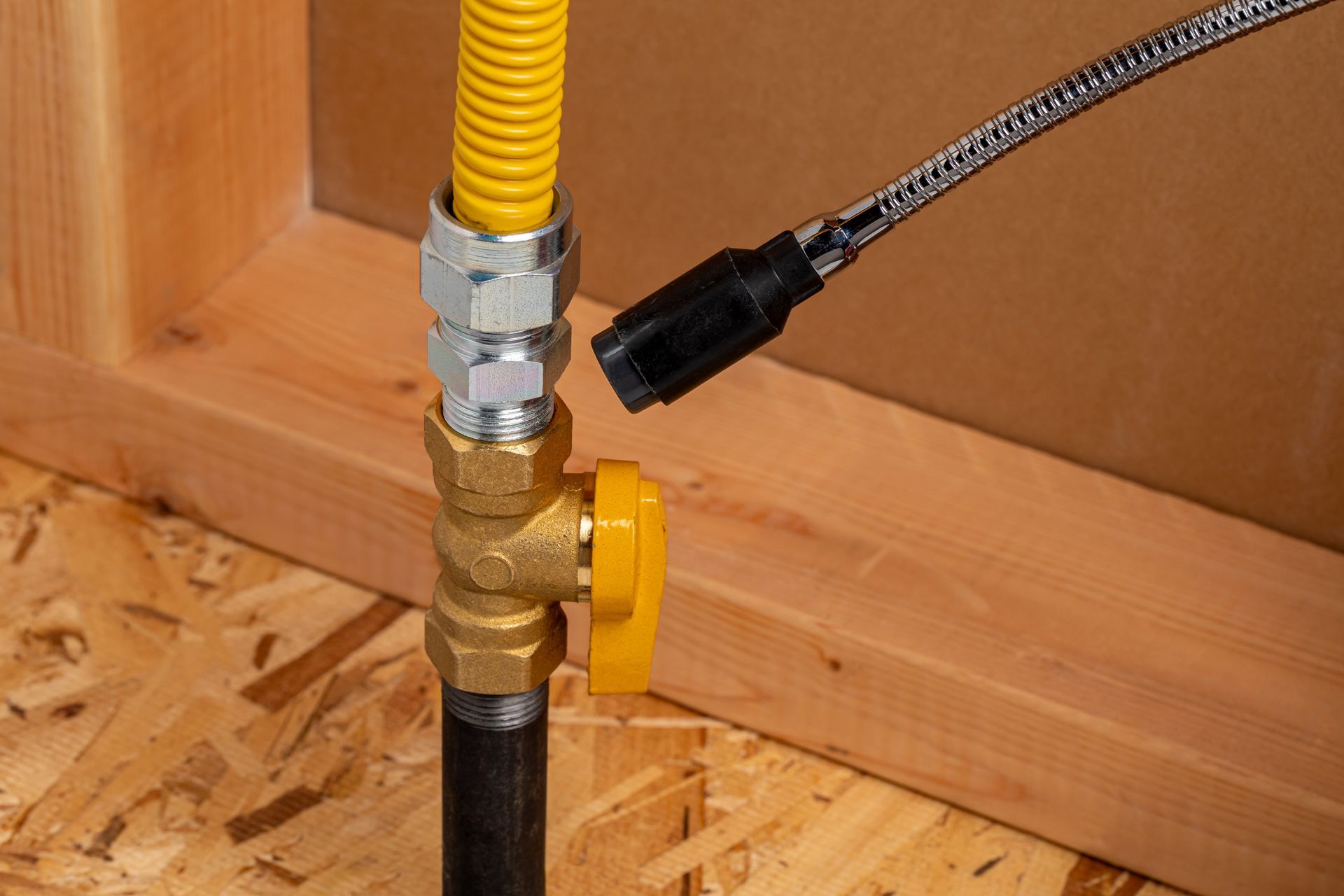
Gas line work requires precise sizing, proper materials, and thorough leak testing to prevent hazardous conditions. Whether you're installing a new range, fireplace, or outdoor grill, or repairing damaged piping that's causing odor or performance issues, the system must deliver adequate fuel volume at correct pressure without any loss at joints or connections. Ryan Plumbing and Heating handles residential and commercial gas line installation and repairs in Rochester, working with both black iron pipe and flexible CSST systems to meet code requirements and ensure safe appliance operation.
Installation involves calculating the total BTU load of all connected appliances, determining pipe diameter needed to supply that demand, running lines from the meter to each fixture location, and pressure testing the complete system before placing it in service. Repairs address leaking fittings, corroded pipes, undersized lines that starve appliances of fuel, and outdated installations that no longer meet current safety standards.
Schedule a site evaluation to assess whether your existing gas system can support additional appliances or requires capacity upgrades.
What Gas Line Work Actually Accomplishes
Proper installation ensures each appliance receives adequate fuel flow to achieve rated output without fluctuation. This involves selecting pipe materials appropriate for the installation environment, supporting lines at correct intervals to prevent sagging, and using approved joining methods that maintain integrity under pressure changes and temperature cycling. Underground sections require corrosion protection and depth specifications that prevent damage from freeze-thaw movement common in Rochester winters.
After installation or repair, appliances ignite reliably and maintain consistent flame characteristics during operation. You won't smell gas around connections or near the meter, and furnaces or water heaters achieve their specified heating capacity without cycling irregularly. Pressure testing confirms the system holds without loss, which eliminates the risk of slow leaks that create explosive concentrations over time.
Code compliance also matters for insurance coverage and resale value. Unpermitted gas work or installations that violate clearance and venting requirements can result in red tags from inspectors, denial of insurance claims after incidents, and mandatory removal of non-compliant piping. Ryan Plumbing and Heating obtains necessary permits and coordinates inspections to verify all work meets municipal and state codes governing fuel gas systems..
Common Questions About This Service
Property owners in Rochester often ask about capacity limitations, material options, and how to identify problems with existing gas lines.
What indicates a gas line is undersized?
Appliances that won't reach full temperature, pilot lights that blow out frequently, or yellow flames instead of blue all suggest insufficient gas supply. This happens when additional fixtures are added to a system without upgrading the main line diameter, or when corroded pipes restrict flow. Proper sizing calculations prevent these performance issues.
How do black iron pipe and CSST differ?
Black iron pipe offers maximum durability and resistance to physical damage, making it ideal for exposed installations and areas where impact risk exists. CSST (corrugated stainless steel tubing) provides flexibility that simplifies routing through finished spaces and reduces the number of fittings required, but must be bonded electrically to prevent lightning damage and cannot be used in all locations.
Why does gas line work require permits?
Fuel gas systems pose explosion and carbon monoxide risks if installed incorrectly, so municipalities require licensed contractors to pull permits and submit work for inspection. This protects property owners by ensuring installations meet safety codes and provides documentation that verifies compliance for future buyers and insurance underwriters.
Can gas lines freeze in Rochester winters?
Natural gas itself won't freeze, but moisture in the line can form ice blockages at regulators or low points in the piping. Proper installation includes pitch to drain condensation and may involve drip legs at appliance connections. Underground lines must be buried below frost depth to prevent heaving that stresses joints and causes leaks.
What should you do if you smell gas?
Immediately evacuate the building, avoid using electrical switches or anything that could create a spark, and call the gas utility from outside to shut off service. Once the area is safe, a licensed plumber can locate the leak source and complete repairs before the utility will restore service and relight appliances.
Ryan Plumbing and Heating provides pressure testing documentation and permit records that verify your gas system meets all safety requirements. Contact our office to discuss new appliance installations or to investigate performance issues with your current gas supply.