

Commercial Drains That Stay Clear
Grease trap cleaning and pumping in Rochester for restaurants and food service facilities with slow drains or compliance requirements
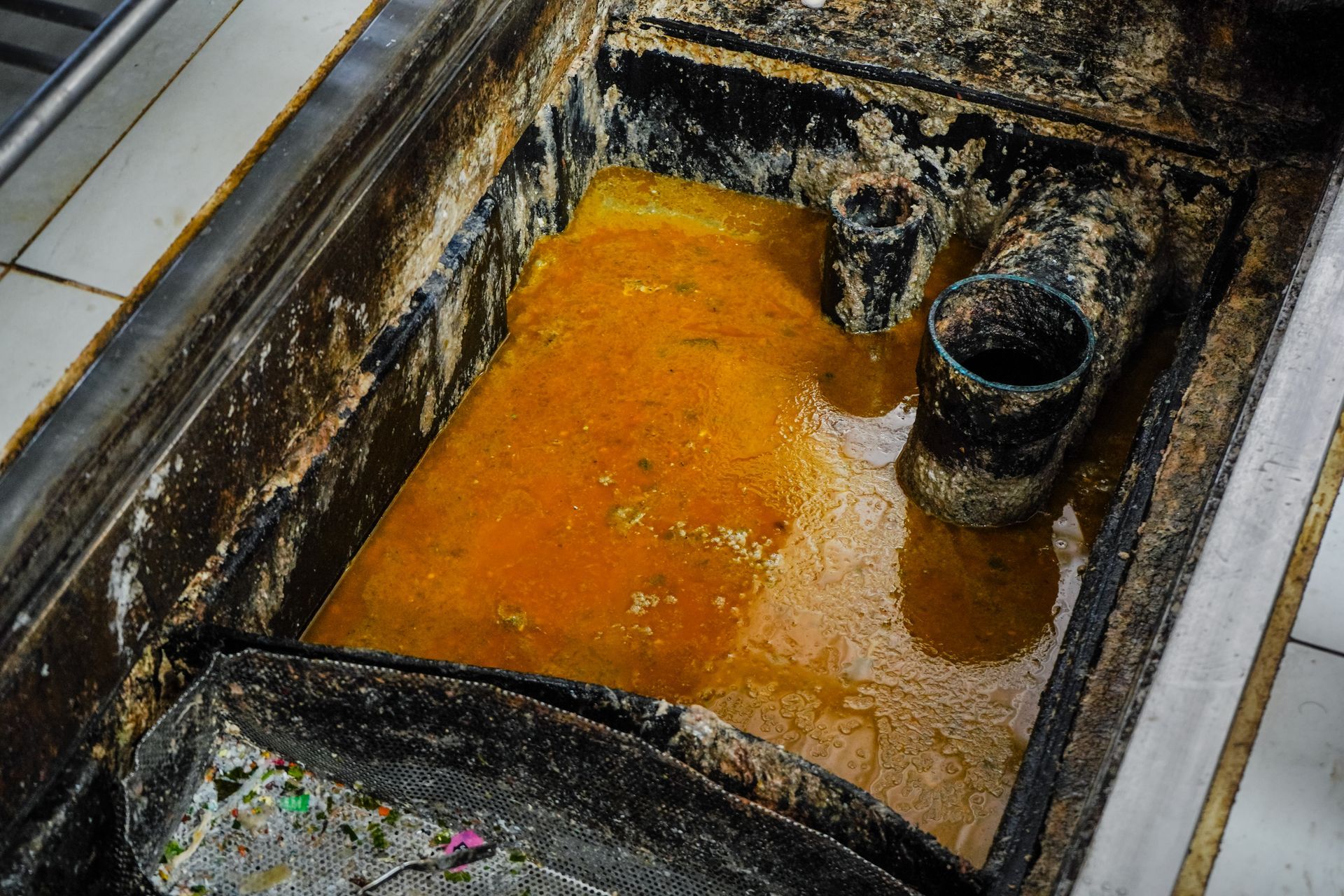
When grease accumulates in commercial drains, it restricts flow and creates backups that can shut down kitchen operations. Ryan Plumbing and Heating provides grease trap cleaning and pumping in Rochester for restaurants, commercial kitchens, and food service facilities that need to maintain drainage function and meet health code requirements. Regular pumping prevents solidified grease from blocking pipes and causing expensive emergency repairs during peak service hours.
This service involves removing accumulated fats, oils, and grease from the trap before they harden and obstruct drainage lines. Cleaning also addresses sludge buildup at the bottom of the trap, which reduces the unit's separation capacity and allows grease to pass into the municipal sewer system. The frequency depends on kitchen volume, menu type, and trap size, with high-volume operations often requiring service every few weeks.
Schedule a trap evaluation to determine the appropriate pumping interval for your facility's usage pattern.
What Proper Grease Trap Service Requires
Effective trap maintenance involves more than just removing floating grease. Technicians pump out all contents, scrape residue from baffles and walls, inspect gaskets and seals for deterioration, and check that flow rates match the trap's design capacity. This process prevents grease from bypassing the trap and entering sewer lines where it cools, solidifies, and creates blockages that affect multiple properties.
After pumping, drains empty faster and odors from decomposing grease diminish noticeably. The trap resumes proper separation of solids and liquids, which keeps wastewater flowing freely through your building's drainage system. You'll also maintain compliance with local ordinances that require food service businesses to prevent grease discharge into public sewers.
Ryan Plumbing and Heating documents each service with waste manifests and cleaning records that satisfy health department inspections. Technicians also identify trap damage or sizing issues that could lead to violations or repeated backups. Some operations benefit from enzyme treatments between pumpings, though these supplements never replace mechanical cleaning.
Answers to Frequent Service Questions
Food service operators in Rochester often ask about scheduling, compliance documentation, and how to extend time between cleanings.
How often does a grease trap need pumping?
Frequency depends on trap volume and kitchen output, but most restaurants require service every four to eight weeks. High-volume fryers and heavy grease loads shorten intervals, while lighter menus may extend them. Monitoring how quickly the trap fills helps establish the right schedule before backups occur.
What happens if grease enters the main sewer line?
Solidified grease in municipal pipes can cause backups that affect neighboring businesses and result in fines from the city. Regular trap pumping prevents this discharge by capturing fats before they leave your property. Rochester enforces grease management regulations that hold facility owners responsible for sewer blockages traced to their kitchens.
Why do traps still smell after cleaning?
Odors usually originate from grease residue in drain lines downstream of the trap or from biofilm inside the trap itself. Thorough scraping during pumping removes most odor sources, but persistent smells may indicate cracks in the trap housing or venting problems that allow sewer gases to escape. Enzyme treatments can reduce odor between service visits.
Can we clean the trap ourselves instead of hiring a service?
Manual skimming removes surface grease but leaves sludge and residue that reduce trap efficiency. Professional pumping extracts all contents and properly disposes of waste according to environmental regulations. Improper disposal of grease trap waste violates local codes and can result in significant penalties.
What should we look for during a health inspection?
Inspectors check service records to verify regular pumping, examine the trap for structural damage and proper sizing, and may test wastewater for grease content. Documentation showing consistent maintenance demonstrates compliance and helps avoid violations that can delay permit renewals or trigger follow-up inspections.
Ryan Plumbing and Heating maintains service records that satisfy regulatory requirements and provides reminder scheduling to keep your facility compliant. Contact our office to establish a pumping plan based on your kitchen's specific volume and operational needs.