


Systems That Keep Basements and Crawlspaces Dry
Pump station installation and repairs in Rochester for properties with below-grade water issues and sump pump failures
Ryan Plumbing and Heating installs and repairs pump stations throughout Rochester for properties where groundwater, storm runoff, or seasonal snowmelt threatens below-grade spaces. When sump pumps fail or existing pump stations can't keep pace with water intrusion, floors stay wet, foundation walls develop moisture stains, and stored items become damaged. Properly installed pump stations move water away from foundations before it seeps through basement walls or pools around mechanical equipment.
Pump station work involves evaluating where water enters the space, sizing the pump capacity to match typical and peak water flow, and routing discharge lines to drain away from the structure. In Rochester's climate, freeze-thaw cycles and heavy spring rains create conditions where undersized or poorly maintained pump stations can't prevent flooding during the wettest weeks of the year.
Schedule a basement assessment to determine the pump capacity and backup systems your property requires.
What Proper Pump Station Work Requires
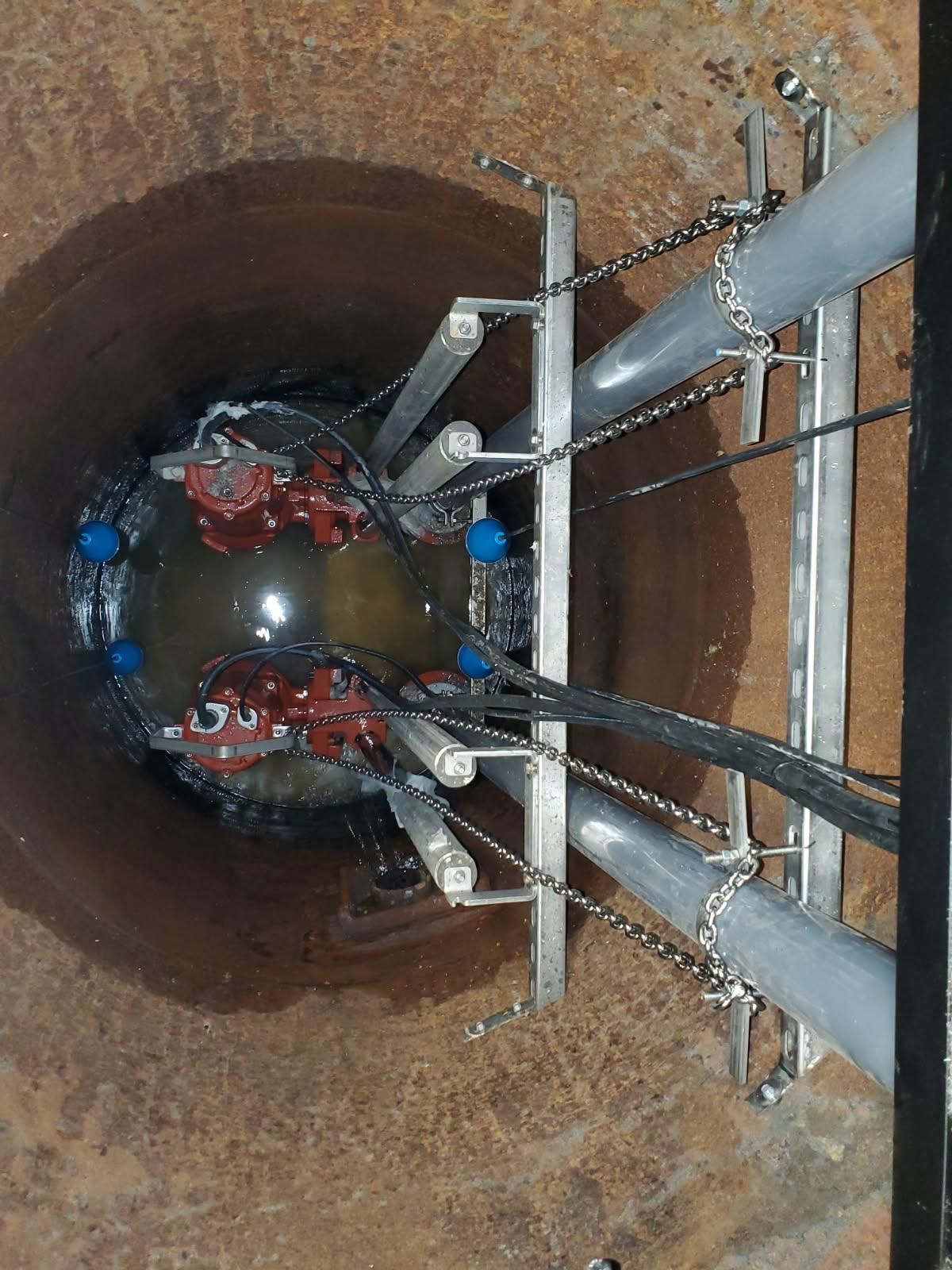
Pump station installation starts with measuring the basin size and depth needed for your property's water volume, then selecting a pump with adequate horsepower and float switch placement to activate before water reaches floor level. Discharge piping must slope away from the foundation and terminate where runoff won't return to the building or create drainage problems for neighboring properties.
After installation or repair, you'll notice the pump activates during rain events without basement floor water appearing, and the discharge line moves water efficiently without backflow or frozen sections during winter months. Ryan Plumbing and Heating configures alarm systems that alert you if the pump fails or water rises above safe levels, preventing damage when you're not home to hear the system running.
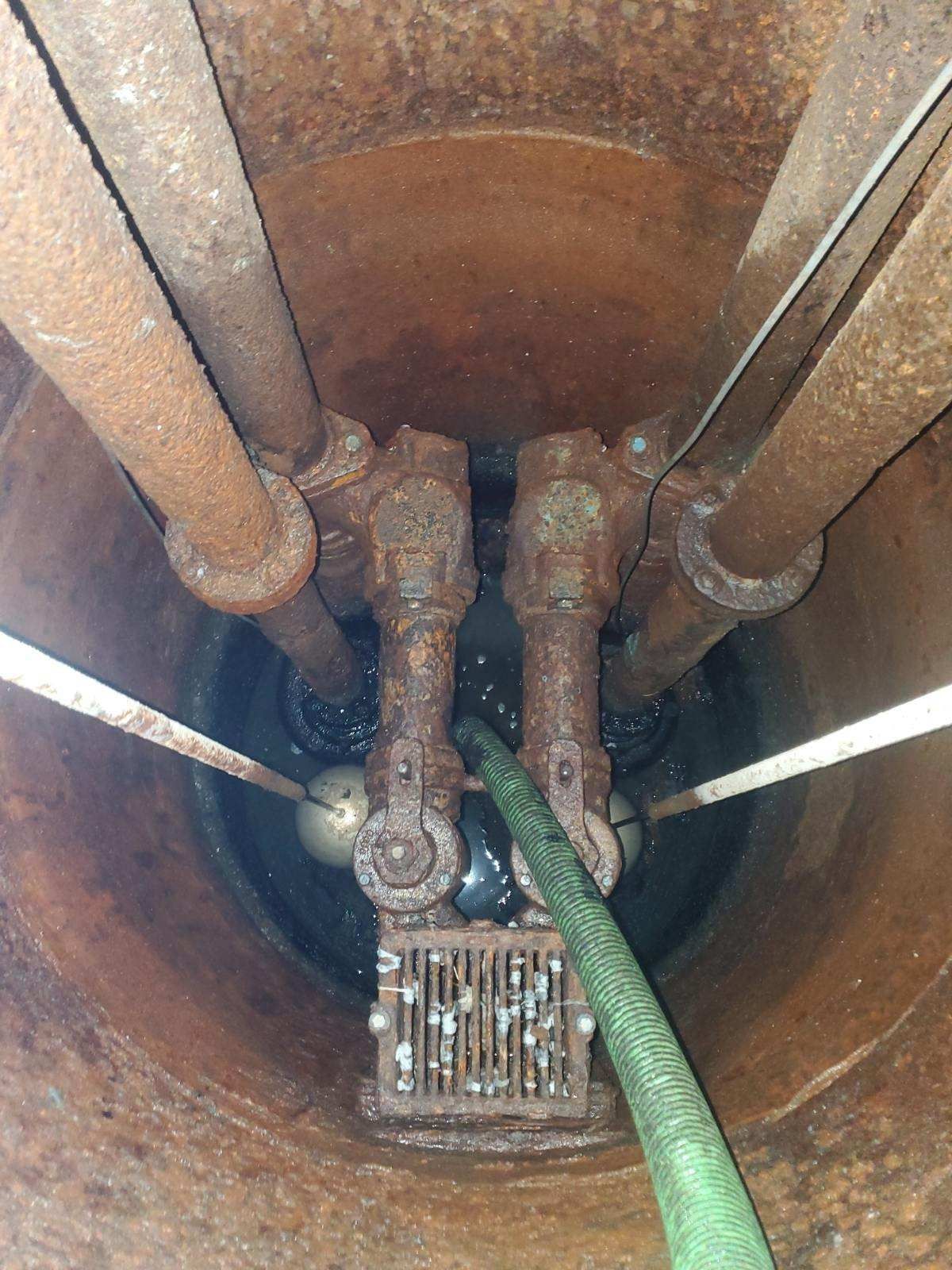
Pump station repairs address failed float switches that prevent activation, burned-out motors from continuous operation, and clogged discharge lines that create backpressure. Regular maintenance includes testing the float mechanism, inspecting the check valve to prevent backflow, and clearing the basin of sediment that can jam the impeller..
Questions Property Owners Ask Before Installation
Pump stations handle varying water volumes depending on your property's drainage conditions, and the right system prevents the basement flooding common in Rochester during rapid snowmelt and spring storms.
What capacity pump does my basement need?
Pump capacity depends on how quickly water enters your basin during peak flow events, which varies based on soil type, grading around the foundation, and whether you have perimeter drain tiles feeding the sump pit.
How do I know if my current pump station is failing?
You'll see water pooling on the basement floor during rain, hear the pump running continuously without shutting off, or notice rust stains and moisture on walls near the sump basin.
What causes pump stations to stop working?
Float switches stick due to sediment buildup, motors burn out from running dry when debris clogs the intake, and discharge lines freeze when they don't drain completely between pump cycles.
Should I install a battery backup system?
Battery backup systems keep the pump operational during power outages, which often coincide with severe storms that produce the highest water intrusion rates in Rochester properties.
How often does a pump station need maintenance?
Annual inspections catch worn components before they fail, and cleaning the basin removes sediment that reduces pump efficiency and shortens motor life.
Ryan Plumbing and Heating sizes pump stations based on your property's specific water intrusion patterns and installs backup systems where power reliability is a concern. Request an on-site evaluation to assess your current pump station performance and determine whether repairs or replacement will keep your below-grade spaces dry.