

Hot Water That Matches Your System
Water heater services in Rochester for gas, electric, tankless, and heat pump systems that need repair, replacement, or efficiency improvements
Inconsistent water temperature, rising energy costs, or visible leaks around the tank indicate that your water heating system needs professional attention. These symptoms show up differently depending on whether you operate a traditional tank unit, a tankless system, or a heat pump model. Ryan Plumbing and Heating handles diagnostics, repairs, and replacements for all residential and light commercial water heating equipment in Rochester, addressing issues specific to each technology type.
Service work varies based on the equipment involved. Gas units require combustion testing and venting inspection, electric systems need element and thermostat evaluation, tankless models demand descaling and flow sensor checks, and heat pump heaters involve refrigerant cycle diagnostics. Each technology responds to different failure patterns, so accurate identification of the problem determines whether repair makes financial sense or replacement offers better long-term value.
Request an on-site assessment to determine whether your current system can be repaired or should be replaced with a more efficient model.
How Water Heater Service Addresses Performance Problems
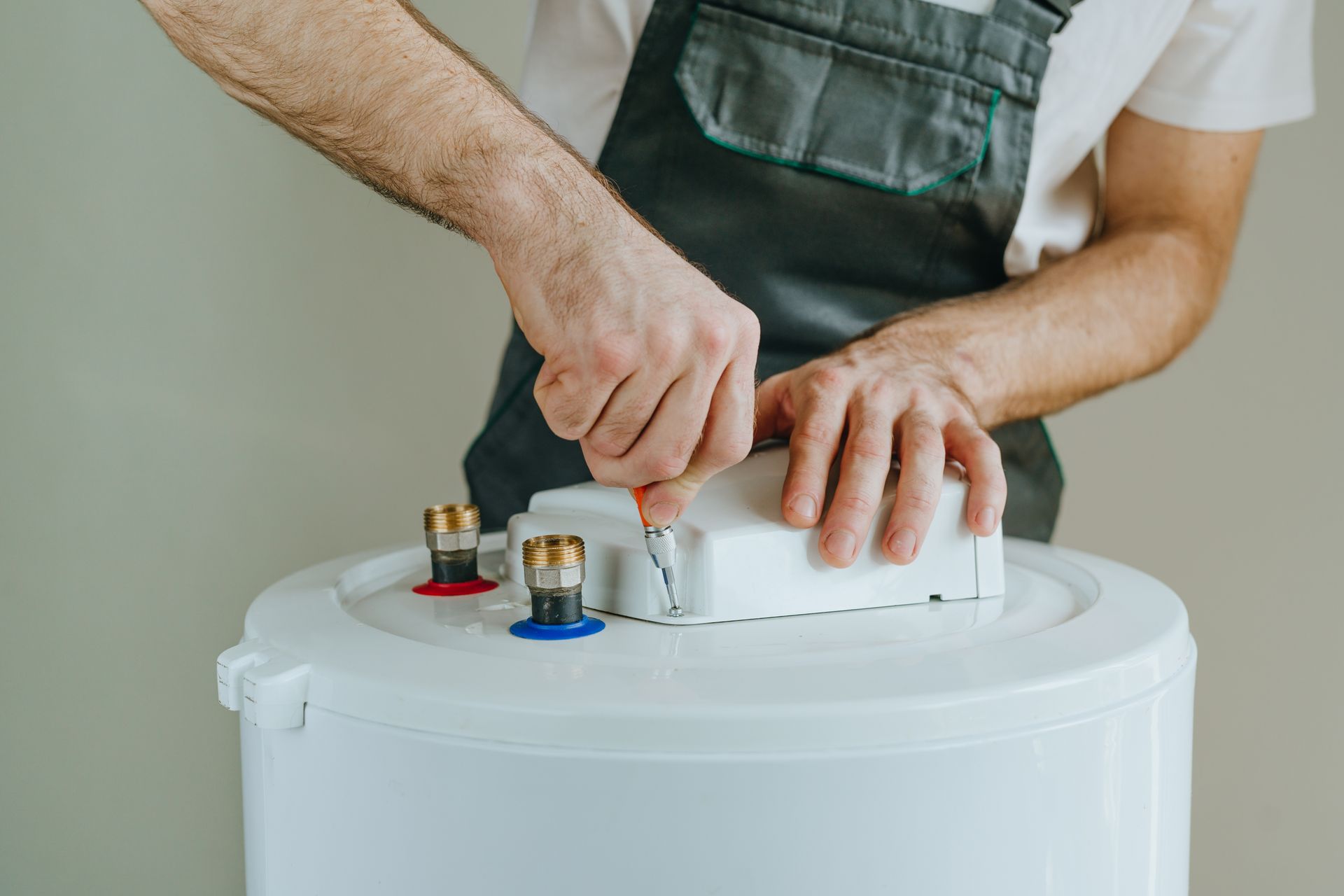
Technicians test inlet and outlet temperatures, check pressure relief valves, inspect anode rods for corrosion, and measure recovery time to identify whether components can be repaired or the entire unit has reached the end of its functional lifespan. For tankless systems, this includes flushing heat exchangers to remove mineral scale that restricts flow and reduces heating capacity. Heat pump models require additional checks of compressor function and refrigerant charge levels that affect efficiency.
Once service is complete, you'll notice water reaches the set temperature consistently throughout the day and recovery time between heavy usage periods returns to normal. Energy consumption often drops when worn heating elements or fouled burners are replaced, and you'll no longer hear the banging or hissing sounds that indicate sediment buildup or pressure imbalances inside the tank.
Replacement decisions factor in the age of existing equipment, the cost of needed repairs relative to new installation, and whether your household's hot water demand has changed since the original system was sized. Upgrading from a tank to tankless or heat pump technology alters installation requirements and may involve electrical panel modifications or gas line sizing adjustments..
What Property Owners Usually Ask
Homeowners in Rochester typically want to know about system longevity, technology differences, and when repair no longer makes sense financially.
What causes water heaters to fail prematurely?
Sediment accumulation at the bottom of tank units insulates water from the heat source and causes the system to run longer cycles, which accelerates wear on heating elements and burners. Rochester's water hardness contributes to faster mineral buildup, making annual flushing especially important for extending equipment life. Corroded anode rods also allow tank rust that eventually leads to leaks.
How do tankless systems differ from traditional tanks?
Tankless units heat water on demand as it flows through a heat exchanger, eliminating standby energy losses from keeping a large tank hot continuously. They provide endless hot water for as long as flow stays within the unit's capacity, but multiple simultaneous uses can exceed that limit. Installation costs run higher due to venting and gas line requirements.
When should a water heater be replaced instead of repaired?
Units older than twelve years with significant component failures typically cost more to repair than they're worth, especially when factoring in reduced efficiency. If repair costs exceed half the price of replacement, or if the tank shows signs of leaking, replacement prevents the risk of sudden failure and water damage.
What are heat pump water heaters and who should consider them?
Heat pump models extract heat from surrounding air to warm water, using significantly less energy than electric resistance heating. They work best in spaces that remain above 40 degrees year-round, making basement installations in Rochester viable if the area stays conditioned. Upfront costs are higher, but operating savings offset the difference over the unit's lifespan.
How long does installation take for different system types?
Replacing a tank with a similar tank typically takes three to five hours, including removal and connection of water and fuel lines. Tankless conversions require additional time for venting modifications and potential electrical or gas upgrades. Heat pump installations involve condensate drainage setup and clearance verification that extends the timeline.
Ryan Plumbing and Heating provides equipment recommendations based on your household size, usage patterns, and existing infrastructure. Arrange a consultation to review system options and receive a detailed estimate for your specific installation conditions.