

Supply Lines That Maintain Pressure
Water line repairs in Rochester for homes and businesses with low pressure, visible leaks, or contamination from aging underground pipes
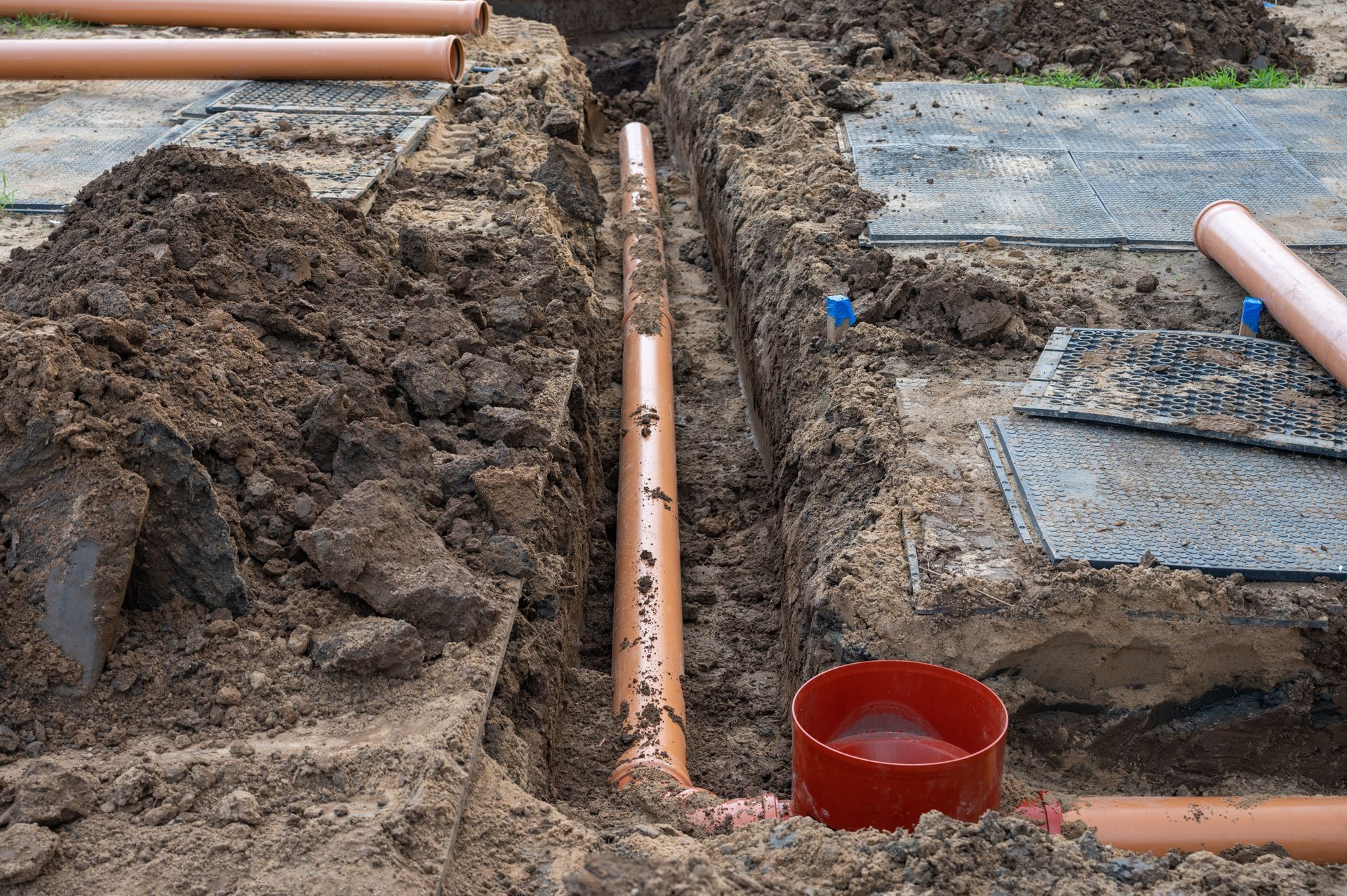
A water line failure shows up as soggy spots in the yard, sudden drops in pressure throughout the building, or discolored water from corroded pipe interiors. Ryan Plumbing and Heating addresses water line problems in Rochester that affect the underground section between the street connection and your building, as well as the interior distribution piping that delivers water to fixtures. Repair methods depend on pipe material, leak location, and whether partial replacement will last or complete re-piping makes more sense given the condition of remaining sections.
Diagnostics start with isolating where pressure loss occurs and whether contamination originates in the service lateral or inside the building. Leaks in buried sections often require excavation to expose the damaged area, though trenchless methods can reline sections without full removal in certain soil conditions. Interior work addresses corroded galvanized steel that releases rust particles or leaking copper joints that fail from water chemistry or installation defects.
Request a pressure test and water quality assessment to pinpoint which sections of your supply system need repair or replacement.
Why Water Line Deterioration Happens and How to Stop It
Underground pipes corrode from soil acidity and oxidation, while interior lines degrade from water chemistry that pits copper or clogs galvanized steel with rust scale. Freezing can crack pipes in unheated spaces or where insulation fails, and ground movement during freeze-thaw cycles stresses joints at connection points. Repairs involve cutting out failed sections and installing new pipe using materials suited to local water conditions and soil characteristics.
Once repairs are finished, water pressure stabilizes across all fixtures and you'll no longer see rust staining in sinks or toilets. Wet areas in the yard dry out as leaks stop delivering water into the surrounding soil. Water runs clear immediately when taps open, without the initial brown or orange flow that indicates corrosion inside the pipes.
Material selection matters for repair longevity. Copper resists corrosion in most conditions but can develop pinhole leaks in aggressive water. PEX offers flexibility and freeze resistance that reduces joint failures, though it requires proper support and protection from UV exposure. Older galvanized steel should typically be replaced entirely rather than patched, since remaining sections will continue deteriorating and require additional repairs within a few years..
Questions Before Starting Your Project
Homeowners dealing with water line issues typically want to understand failure causes, repair options, and how to prevent recurrence.
What causes pinhole leaks in copper pipe?
Aggressive water chemistry with low pH or high chlorine content gradually thins copper from the inside, eventually creating small perforations that spray water. This pattern often indicates that other sections will fail soon, making whole-system repiping more practical than repeated repairs. Water softeners and filtration can reduce corrosion rates in new installations.
How do you locate underground water line leaks?
Wet spots in the yard, unusual areas of green grass during dry periods, or the sound of running water when all fixtures are off all point to underground leaks. Pressure testing isolates whether the leak is between the meter and the building, and acoustic detection equipment helps pinpoint the exact location before excavation begins. Rochester's frost depth requires digging through significant overburden to access buried lines.
Why is water pressure low only at certain fixtures?
Partially blocked supply lines feeding specific areas reduce flow to those fixtures while leaving others unaffected. Galvanized pipe accumulates rust scale that narrows the interior diameter over decades of use. Replacing the affected branch restores full pressure, though system-wide low pressure usually indicates problems at the main line or pressure regulator.
Can frozen pipes be thawed or must they be replaced?
Pipes that freeze but don't rupture can often be thawed safely and returned to service. Ice expansion that cracks the pipe requires replacement of the damaged section. Prevention involves insulation, heat tape in vulnerable areas, and maintaining minimum temperatures in spaces containing water lines during Rochester winters.
How long do different water line materials last?
Copper typically provides fifty-plus years of service in non-aggressive water. PEX installations are newer but show excellent durability with proper installation. Galvanized steel begins failing after thirty to forty years as interior corrosion restricts flow and weakens walls. Lead service laterals common in older Rochester neighborhoods should be replaced entirely due to health risks regardless of apparent condition.
Ryan Plumbing and Heating performs camera inspections and flow testing to assess your water line condition and recommend targeted repairs or strategic replacement. Reach out to our team to schedule diagnostics and receive options tailored to your property's specific piping configuration and age.